Sub-Total: $0.00
Growing Indigenous African Vegetables in the Diaspora: a Guide to Gardening With Ugu and Bitter Leaves
Reconnecting With African Roots Through Gardening
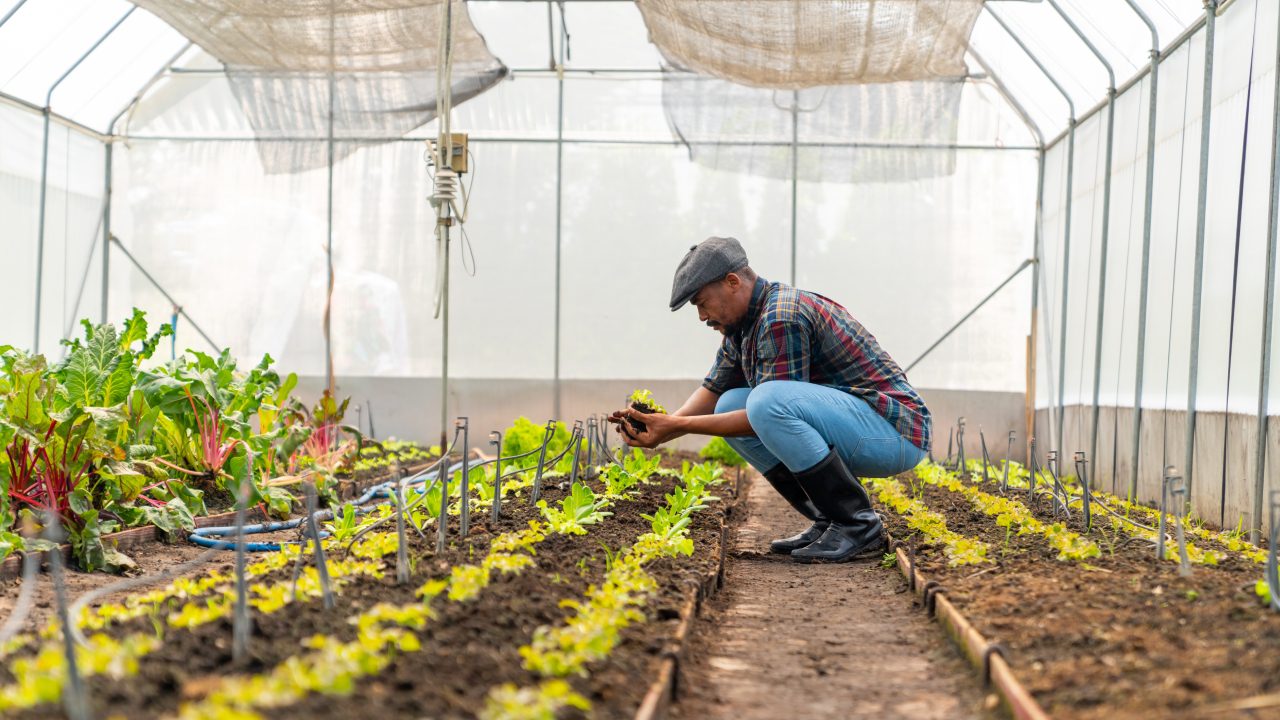
For Africans in the diaspora, food is more than just nourishment—it’s a connection to home, culture, and tradition. Growing indigenous vegetables like Ugu (Fluted Pumpkin) and Bitter Leaves provides not only fresh, authentic ingredients but also a sense of belonging. Whether you have a backyard garden or a small container space, cultivating these plants is possible with the right knowledge and care.
In this guide, we’ll explore the joys of gardening in the diaspora, how to grow Ugu and Bitter Leaves, and why planting indigenous seeds is an essential part of preserving African food traditions.
Why Grow Indigenous Plant Seeds in the African Diaspora?
Many Africans living abroad struggle to find fresh, authentic vegetables that are staples back home. While some specialty stores carry imported produce, there’s nothing quite like growing your own. Here’s why gardening with indigenous plant seeds is beneficial:
1. Fresh, Chemical-Free Produce
Homegrown vegetables are free from preservatives and chemicals, ensuring fresh and healthy food for you and your family.
2. Stronger Connection to Culture
Gardening is a way to stay connected to African heritage, passing down traditions to future generations.
3. Sustainability and Cost Savings
Growing your own vegetables reduces reliance on imported produce and lowers grocery bills over time.
4. Therapeutic and Rewarding
Gardening has mental and physical health benefits, providing relaxation, exercise, and a sense of accomplishment.
How to Grow Ugu in the Diaspora
Ugu (Telfairia occidentalis), also known as Fluted Pumpkin, is a popular leafy vegetable in West Africa, especially in Nigeria. It’s rich in vitamins, iron, and protein, making it a nutritious addition to any meal.
Growing Conditions for Ugu
- Climate: Ugu thrives in warm temperatures. If living in a cooler climate, consider growing it in a greenhouse or during warmer months.
- Soil: Well-draining, fertile soil with compost or organic matter.
- Sunlight: Requires full sun (at least 6 hours per day).
- Watering: Keep soil moist but not waterlogged.
Planting Ugu Seeds
- Soak the Seeds: Before planting, soak Ugu seeds in warm water for 24 hours to encourage germination.
- Planting Depth: Sow seeds 1–2 inches deep in prepared soil.
- Spacing: Leave at least 12 inches between each seedling to allow proper growth.
- Support: As a vine, Ugu benefits from a trellis or stake to climb.
Caring for Ugu Plants
- Water regularly to keep the soil consistently moist.
- Apply organic fertilizer every few weeks for healthy growth.
- Harvesting: Once the leaves are mature (around 2-3 months), they can be plucked as needed for cooking.
How to Grow Bitter Leaves in the Diaspora
Bitter Leaf (Vernonia amygdalina) is a staple in African cuisine and traditional medicine. Its slightly bitter taste adds depth to soups and stews, while its health benefits include detoxification and blood sugar regulation.
Growing Conditions for Bitter Leaves
- Climate: Prefers warm climates but can be grown indoors or in a greenhouse in colder regions.
- Soil: Rich, well-draining soil with compost.
- Sunlight: Requires at least 5–6 hours of sunlight daily.
- Watering: Needs regular watering but should not be overwatered.
Planting Bitter Leaves
- Using Seeds or Cuttings: Bitter leaves can be grown from seeds or stem cuttings.
- Planting Depth: Sow seeds ½ inch deep or plant cuttings in well-prepared soil.
- Spacing: Leave 8–10 inches between plants.
Caring for Bitter Leaf Plants
- Water moderately to keep the soil moist.
- Trim regularly to encourage bushy growth.
- Harvesting: Leaves can be harvested once the plant is well-established (about 2 months).
Common Challenges in Growing African Vegetables Abroad
While gardening in the diaspora is rewarding, it comes with challenges. Here’s how to overcome them:
1. Climate Differences
Solution: Use greenhouses, raised beds, or indoor containers with grow lights for controlled environments.
2. Soil Quality
Solution: Enrich soil with organic compost or well-balanced fertilizers.
3. Pest and Disease Control
Solution: Use organic pest repellents like neem oil and ensure proper spacing for airflow.
4. Finding Indigenous Seeds
Solution: Buy from trusted suppliers specializing in indigenous plant seeds in the African diaspora, like Nobleyy Seeds.
Final Thoughts: Start Your African Garden Today
Growing Ugu, Bitter Leaves, and other indigenous African vegetables in the diaspora is more than just gardening—it’s a way to keep traditions alive, enjoy fresh and healthy food, and create a meaningful connection to home. With the right knowledge, anyone can successfully cultivate these plants, no matter where they live.